
Few household problems are more frustrating than hearing your air conditioner run all day while your home remains uncomfortably warm. If your HVAC running constantly but not cooling, the issue can affect your comfort, energy bills, and the overall lifespan of your heating and cooling system. Many homeowners across Michigan, MI experience this problem during peak summer temperatures and assume the solution is simply lowering the thermostat. However, a continuously operating HVAC system often signals an underlying issue that requires attention.
Whether the problem involves restricted airflow, mechanical failure, insulation concerns, or thermostat errors, identifying the root cause is essential. Understanding why your system is struggling can help you restore comfort, reduce energy consumption, and avoid expensive repairs.
Why an HVAC System Runs Continuously
Your HVAC system is designed to cycle on and off as it reaches the desired indoor temperature. When it operates for extended periods without adequately cooling the home, it usually indicates that the system is unable to keep up with demand.
Several factors can contribute to this issue, including equipment problems, airflow restrictions, and environmental conditions. Identifying these factors early can prevent unnecessary wear and tear on the system.
1. Dirty Air Filters Restrict Airflow
One of the most common causes of HVAC running constantly but not cooling is a clogged air filter. Air filters capture dust, dirt, and airborne particles to protect HVAC components and maintain healthy indoor air.
When filters become dirty, airflow decreases significantly. Reduced airflow forces the system to work harder while delivering less conditioned air throughout the home.
Signs of a clogged filter include:
- Weak airflow from vents
- Increased energy bills
- Uneven room temperatures
- Excess dust accumulation
Replacing air filters regularly is one of the simplest ways to improve system performance.
2. Poor Airflow Throughout the Home
Poor airflow is another major reason homeowners experience cooling problems. Even when the air conditioner is producing cool air, restricted airflow can prevent it from reaching occupied spaces effectively.
Common causes include:
Blocked Air Vents
Furniture, rugs, or curtains can obstruct supply and return vents.
Dirty Ductwork
Dust and debris inside duct systems may reduce airflow efficiency.
Damaged Ducts
Leaks or disconnected duct sections allow conditioned air to escape before reaching living areas. Addressing airflow restrictions often results in improved comfort and reduced system runtime.
3. Refrigerant Problems
Refrigerant is responsible for absorbing heat from indoor air and releasing it outdoors. When refrigerant levels are low due to leaks or system issues, cooling performance decreases significantly.
Symptoms may include:
- Warm air from vents
- Ice formation on coils
- Longer cooling cycles
- Reduced cooling capacity
Because refrigerant handling requires specialized equipment, professional diagnosis is recommended.
4. Thermostat Malfunctions
The thermostat serves as the communication center for your HVAC system. If it provides inaccurate temperature readings or incorrect operating instructions, the system may continue running unnecessarily.
Potential thermostat issues include:
- Improper calibration
- Dead batteries
- Poor placement near heat sources
- Wiring problems
A faulty thermostat can cause the appearance of AC running nonstop even when the cooling system itself is functioning properly.
5. Dirty or Frozen Evaporator Coils
Evaporator coils play a critical role in the cooling process. Over time, dirt accumulation can reduce heat absorption efficiency. In some situations, restricted airflow or refrigerant issues can cause coils to freeze.
When coils cannot transfer heat effectively, the HVAC system struggles to cool the home despite running continuously.
Warning signs include:
- Ice on indoor components
- Reduced airflow
- Rising indoor temperatures
- Increased energy consumption
Regular maintenance helps prevent coil-related issues.
6. Outdoor Condenser Unit Problems
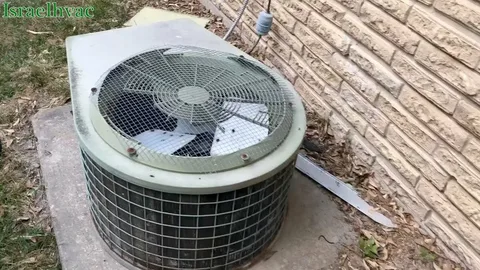
The outdoor unit releases heat collected from inside the home. If the condenser becomes dirty or obstructed, heat removal efficiency decreases.
Common issues include:
Dirt and Debris
Leaves, grass clippings, and dust can block airflow.
Damaged Components
Fans and motors may wear out over time.
Restricted Clearance
Vegetation growing too close to the unit can interfere with performance. Maintaining proper airflow around the outdoor unit is essential for efficient cooling.
7. Insufficient System Size
In some cases, the HVAC system itself may be too small for the home’s cooling requirements. Undersized systems often run continuously because they cannot achieve the desired indoor temperature.
Factors influencing cooling demand include:
- Home square footage
- Ceiling height
- Window placement
- Insulation quality
- Local climate conditions
Professional load calculations can determine whether system sizing is appropriate.
8. Air Leaks and Poor Insulation
Even a properly functioning HVAC system may struggle if cool air continuously escapes from the home.
Common areas of energy loss include:
- Attic penetrations
- Door gaps
- Window frames
- Exterior wall openings
When conditioned air escapes and outdoor heat enters, the system must operate longer to maintain comfort.
9. High Outdoor Temperatures
Michigan summers occasionally bring periods of elevated heat and humidity. During these conditions, HVAC systems naturally run longer than usual.
However, while longer cycles may be normal during extreme weather, the system should still provide adequate cooling. If your home remains uncomfortable despite continuous operation, further investigation may be necessary.
Effective HVAC Troubleshooting Steps
Homeowners can perform several basic HVAC troubleshooting checks before scheduling professional service.
Start by:
- Replacing dirty air filters
- Checking thermostat settings
- Inspecting vents for obstructions
- Cleaning around the outdoor unit
- Verifying circuit breakers are functioning
If problems persist, professional inspection can help identify more complex issues.
Comprehensive Home Comfort Solutions
Heating and cooling performance is often connected to broader home systems. Many Michigan property owners invest in services such as HVAC Installation, HVAC Repair, Water Heater Installation, Water Heater Repair, New Construction, Water Heater Replacement, Design Build Service, Indoor Air Quality, and HVAC Consulting Services to improve comfort, efficiency, and long-term system reliability throughout the home.
When to Call an HVAC Professional
If your HVAC running constantly but not cooling, professional diagnosis can prevent minor issues from becoming costly repairs. Experienced technicians can evaluate airflow, refrigerant levels, thermostat performance, ductwork conditions, and overall system health. Homeowners throughout Michigan, MI seeking dependable cooling solutions often rely on Ecofficient Heating and Cooling for expert service, system evaluations, and customized recommendations designed to restore comfort and efficiency.
Conclusion
When your HVAC running constantly but not cooling, the problem is often caused by airflow restrictions, refrigerant issues, thermostat malfunctions, insulation deficiencies, or equipment limitations. While some concerns can be resolved through simple maintenance, others require professional attention. By understanding the causes of AC running nonstop, addressing poor airflow, and following effective HVAC troubleshooting practices, Michigan homeowners can improve indoor comfort, reduce energy costs, and extend the lifespan of their HVAC systems.
Frequently Asked Questions
1. Why is my HVAC running constantly but not cooling?
Common causes include dirty filters, refrigerant leaks, thermostat problems, poor airflow, or an undersized system.
2. Can a dirty air filter cause cooling problems?
Yes. Restricted airflow from a clogged filter can significantly reduce cooling efficiency and force the system to run longer.
3. Why is my AC running nonstop during summer?
High outdoor temperatures can increase runtime, but nonstop operation may also indicate mechanical or airflow issues.
4. How do I know if poor airflow is affecting my HVAC system?
Weak airflow from vents, uneven temperatures, and rooms that never cool properly are common signs.
5. When should I call a professional for HVAC troubleshooting?
If basic maintenance does not solve the problem or the system continues running without cooling effectively, professional diagnosis is recommended.