
Winter comes with many indoor comfort issues. You may notice that the heating system is operating, but windows or corners are wet and there is a damp smell. These symptoms can be indicators that your home is retaining too much moisture.
Indoor humidity problems generally occur due to daily activity, poor ventilation and unseen leaks. But the question is: how can you get high humidity levels in your home when it is cold outside? In this guide, we will tell you what causes high humidity in the winter, how to spot the issues and what you can do to make your home more comfortable.
With practical home improvement solutions, Ecofficient Heating & Cooling enables homeowners to produce a pleasant and energy-efficient interior environment.
Why Are There Indoor Humidity Problems During the Winter?
Moisture can still condense within your home during cold weather. Closed windows and restricted airflow, and the normal activities of daily living can provide an environment in which excess moisture can be trapped.
Restricted fresh air and inadequate ventilation
Closing windows and doors to keep the warmth inside also means there is less air movement. Cooking, bathing and washing water can cause moisture to be trapped within instead of flowing outside.
Cooking and showering every day
Moisture is released into the air when hot showers, boiling water, and cooking are performed. This water vapor may flow into other rooms if there are no exhaust fans.
Hidden plumbing leaks
Sometimes, a plumbing issue is the problem. Water from pipes behind walls, under sinks or near washing machines may leak on a continuous basis.
Ventilation is not a solution to an ongoing water problem. It is crucial that the source of a leak be repaired.
Dry wet clothes inside the house
It can be hard to dry clothes outside during the cold weather. Consequently, there are many homes that utilize indoor drying racks.
Drying big piles of clothes at home is a process that, if repeated often, can raise the moisture in the air.
Damaged roofs and poor insulation
The warm indoor air can come into contact with cold surfaces, creating condensation. This can be addressed by improving the insulation and air circulation.
Warning Signs That Indicate Excess Moisture
| Warning signs | Causes |
| Moisture on window frames | Condensation on cold surface |
| Musty odour | Trapped moisture |
| Peeling paint | Moisture behind wall |
| Mold growth | Excessive moisture |
| Water stains on walls and ceiling | Water leak |
Simple Measures To Manage Moisture In Indoor Spaces
It is not always necessary to invest in expensive equipment to enhance indoor conditions. Simple modifications around the home can help with winter humidity control:
- Use exhaust fans in your kitchen and the bathroom
- Fix overflowing faucets, pipes and water connections.
- Do not put damp clothing in a small space.
- Ensure air vents are kept clean
- Look for condensation on the outside walls and windows
- Use a dehumidifier
- Check ventilation systems
Is Your Home Too Humid or Does It Have Dry Indoor Air?
There are two different types of indoor air problems that may occur in the winter. There are houses that are too damp and others that are too dry from the heating.
Dry indoor air can result in discomfort, including static electricity, irritated nasal passages, and dry skin. For this, some controlled moisture can be beneficial. For homes that have low humidity levels on a regular basis, a whole-house humidifier is an option.
But a humidifier cannot be used to address a dampness issue. The first step in proper home humidification is to determine the amount of moisture present in the house and then choose the appropriate equipment for the task. The addition of unnecessary moisture may lead to more condensation and mold.
Conclusion
Some issues with humidity in the house are caused by moisture from normal activities of everyday life in the winter. Solving the Indoor Humidity problems early can also help prevent damage to the surfaces and furnishings of the house due to moisture.
Call Ecofficient Heating & Cooling to discover how you can enhance the Air Quality within your home all year long.
FAQs
Why is there more humidity in my house when it is cold outside?
Humidity can increase when you cook, shower or do any washing. If the air is not well ventilated, the moisture will build up.
Can poor insulation cause more issues with humidity?
Yes, poor insulation can cause condensation as windows and walls will be colder than the air around them. When warm air hits cold surfaces, it can cause condensation.
Should I run my dehumidifier in the winter?
Not necessarily. Try checking your humidity level first. If you have raised humidity, then a dehumidifier can help.
Can humidity cause damage to walls and furniture?
Yes, having high humidity can cause damage to paint, wallpaper and wooden furniture. It can cause a damp atmosphere, which can encourage the growth of mould.
How can I check my humidity levels?
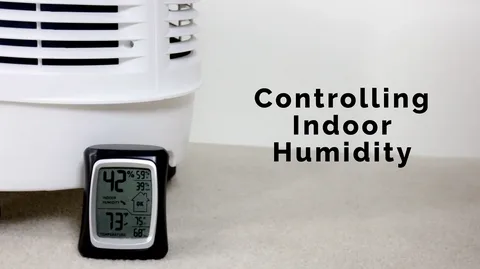
By using a digital hygrometer, you can get an instant reading of the relative humidity.