
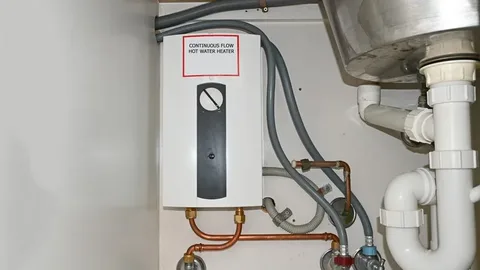
A reliable water heater is one of the most important appliances in any home. Whether you’re taking a morning shower, washing dishes, or doing laundry, you depend on a consistent supply of hot water every day. Unfortunately, many homeowners ignore the early signs of trouble until their system completely breaks down. Understanding the warning signs of a failing water heater can help you avoid expensive repairs, water damage, and unexpected disruptions to your daily routine. Scheduling professional Water Heater Repair at the first indication of a problem can extend the life of your system and help maintain your home’s comfort and efficiency.
Water heaters typically last between 8 and 15 years, depending on the model, usage, maintenance history, and water quality. Over time, internal components wear out, sediment accumulates inside the tank, and efficiency declines. While some issues can be resolved through routine Water Heater Maintenance, others may signal the need for more extensive repairs or even a replacement. By recognizing these early warning signs, homeowners can take proactive steps before a minor issue turns into a major expense.
Inconsistent Hot Water Supply
One of the earliest indicators that your system may require Water Heater Repair is inconsistent water temperature. If your hot water suddenly turns cold during a shower or fluctuates between hot and lukewarm without warning, the heating elements or thermostat may be failing. In some cases, sediment buildup inside the tank can prevent efficient heat transfer, reducing the unit’s ability to maintain a steady temperature.
Many homeowners dismiss occasional temperature fluctuations as normal wear and tear. However, repeated Hot Water Issues often indicate an underlying problem that should be inspected by a professional technician. Prompt diagnosis can prevent further damage and restore your water heater’s performance before the problem worsens.
Strange Noises Coming from the Tank
Water heaters should operate relatively quietly. If you begin hearing popping, banging, rumbling, or crackling sounds, sediment accumulation may be the cause. Minerals naturally present in water settle at the bottom of the tank over time. As the burner heats the tank, trapped moisture beneath the sediment layer creates unusual noises.
These sounds often indicate that the water heater is working harder than necessary to heat water. This increased strain can reduce efficiency, increase utility bills, and shorten the lifespan of the system. Regular Water Heater Maintenance can help remove sediment buildup and improve overall performance. Ignoring these noises may eventually lead to significant Water Heater Problems that require costly repairs.
Rust-Colored or Discolored Water
If you notice rusty, brown, or cloudy water coming from your hot water taps, your water heater may be experiencing internal corrosion. The anode rod inside the tank is designed to prevent rust, but over time it deteriorates and loses effectiveness. Once corrosion begins inside the tank, the risk of leaks and system failure increases significantly.
Discolored water can also indicate sediment contamination or pipe corrosion. A professional inspection can determine whether the issue is isolated to the water heater or involves the home’s plumbing system. Addressing corrosion early may allow for repairs before complete tank failure occurs. However, severe rust damage often requires Water Heater Replacement to prevent further issues.
Water Leaks Around the Unit
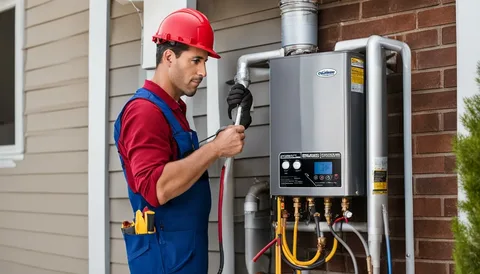
Any visible moisture or standing water around your water heater should be taken seriously. Small leaks may originate from loose fittings, pressure relief valves, drain valves, or damaged connections. While some leaks are relatively minor, others can indicate structural tank damage that cannot be repaired.
A leaking water heater not only wastes water but also increases the risk of mold growth, flooring damage, and structural problems within the home. Immediate Water Heater Repair can often resolve connection-related leaks, but if the tank itself is compromised, replacement may be the safest option. Homeowners should never ignore water pooling near their unit, as leaks tend to worsen over time.
Reduced Hot Water Capacity
Another common sign of a failing water heater is a noticeable reduction in hot water availability. If your family suddenly runs out of hot water much faster than before, sediment buildup or failing heating components may be reducing the system’s efficiency.
This issue is especially common in older water heaters. As sediment accumulates inside the tank, it occupies valuable storage space and limits the amount of hot water available. Professional flushing and Water Heater Maintenance can often restore performance. However, if the unit is approaching the end of its lifespan, upgrading to a newer system may provide greater reliability and energy efficiency.
Increasing Energy Bills
A sudden increase in utility costs without a corresponding increase in household usage often points to equipment inefficiency. Water heaters account for a significant portion of residential energy consumption. When internal components begin to fail, the system must work harder and longer to produce the same amount of hot water.
Higher operating costs are frequently among the earliest warning signs of developing Water Heater Problems. Routine inspections can identify worn components, heating inefficiencies, and maintenance needs before they result in major repairs. Investing in preventative service can help reduce energy consumption while extending the life of your equipment.
Frequent Repairs and Aging Equipment
As water heaters age, repair frequency tends to increase. If you’re scheduling service calls multiple times a year, it may be more cost-effective to consider Water Heater Replacement rather than continuing to repair an outdated system.
Most manufacturers recommend evaluating replacement options once a water heater reaches 10 to 12 years of age. Modern units offer improved energy efficiency, enhanced safety features, and better performance compared to older models. A professional technician can assess your current system and help determine whether repair or replacement is the most practical solution.
Why Professional Maintenance Matters
Routine Water Heater Maintenance is one of the best ways to prevent unexpected failures. Annual inspections allow technicians to identify potential problems before they escalate. Maintenance services typically include flushing sediment from the tank, testing safety controls, inspecting heating elements, checking pressure relief valves, and evaluating overall system performance.
Preventative maintenance not only extends equipment lifespan but also improves energy efficiency and reliability. Homeowners who invest in regular service often experience fewer breakdowns and lower operating costs over the life of their water heater.
Complete Home Comfort Services Available
Many homeowners seeking Water Heater Repair also require additional services to maintain year-round comfort. Professional contractors often provide a full range of heating, cooling, and indoor comfort solutions that support overall home performance.
Available services commonly include:
- HVAC Consulting Services
- Indoor Air Quality Solutions
- Design Build Service
- New Construction HVAC Systems
- Water Heater Replacement
- Water Heater Repair
- Water Heater Installation
- HVAC Repair
- HVAC Installation
Having access to comprehensive services from a single provider ensures consistent quality, streamlined project management, and reliable support for all home comfort needs.
Choosing the Right Service Provider
When water heater issues arise, working with experienced professionals is essential. Proper diagnosis helps ensure the correct repair is performed while preventing unnecessary expenses. Technicians should be licensed, trained, and familiar with both traditional tank systems and modern high-efficiency models.
Homeowners should also seek providers that offer comprehensive HVAC and plumbing-related services. This approach allows technicians to evaluate how various systems interact and identify opportunities for improved efficiency and performance throughout the home.
Trust Ecofficient Heating and Cooling for Reliable Solutions
When dealing with persistent Hot Water Issues or other home comfort concerns, partnering with a trusted professional can make all the difference. Ecofficient Heating and Cooling provides expert support for homeowners seeking dependable Water Heater Repair, Water Heater Installation, Water Heater Replacement, HVAC Repair, HVAC Installation, and Indoor Air Quality solutions. Their experienced team understands how critical reliable hot water is to everyday comfort and works diligently to provide timely, effective solutions tailored to each home’s needs.
Whether you’re addressing a minor maintenance concern or planning a complete system upgrade, professional guidance can help you make informed decisions that improve efficiency, reliability, and long-term performance.
Conclusion
Recognizing the early warning signs of a failing water heater can save homeowners from costly repairs, water damage, and unexpected disruptions. Inconsistent temperatures, unusual noises, rusty water, leaks, rising energy bills, and reduced hot water capacity are all indicators that your system may need attention. Prompt Water Heater Repair and regular Water Heater Maintenance can extend equipment life and improve efficiency.
If your water heater is showing signs of failure, scheduling a professional inspection is the best way to protect your investment and maintain reliable hot water throughout your home. Taking action early can help prevent emergencies while ensuring your family continues to enjoy the comfort and convenience of a dependable hot water system.
Frequently Asked Questions
1. How do I know if my water heater needs repair or replacement?
If your unit is under 10 years old, repairs may be sufficient. Older systems with recurring issues, leaks, or corrosion often benefit more from replacement.
2. Why is my water heater making popping or rumbling noises?
These sounds are usually caused by sediment buildup at the bottom of the tank, which reduces efficiency and increases strain on the system.
3. What causes a water heater to stop producing hot water?
Common causes include faulty heating elements, thermostat problems, electrical issues, gas supply interruptions, or excessive sediment buildup.
4. How often should water heater maintenance be performed?
Most manufacturers recommend professional water heater maintenance at least once per year to maximize performance and lifespan.
5. Can a leaking water heater be repaired?
It depends on the source of the leak. Connection and valve leaks are often repairable, while leaks originating from the tank itself typically require replacement.