
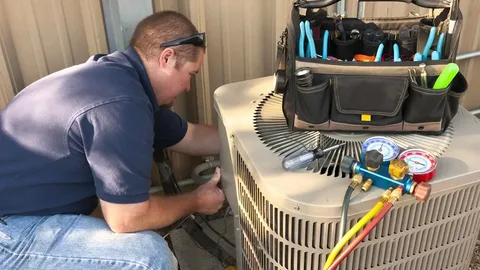
Most homeowners do not think much about their heating and cooling system until it stops working. When the air conditioner struggles during a hot Michigan summer or the furnace fails on a cold winter morning, it quickly becomes clear how important a properly functioning HVAC system is. The good news is that complete system failures rarely happen without warning. In many cases, the equipment shows several signs that something is wrong long before a breakdown occurs. Learning to recognize these HVAC warning signs can help you schedule timely HVAC repair, avoid costly emergencies, and keep your home comfortable throughout the year.
In Michigan (MI), HVAC systems face unique challenges due to changing seasonal temperatures. From freezing winters to humid summers, heating and cooling equipment often works harder than homeowners realize. According to the professionals at Ecofficient Heating and Cooling, many major repair issues begin as small performance problems that are easy to overlook. By identifying these signs early, homeowners can improve efficiency, reduce operating costs, and extend the lifespan of their HVAC equipment.
Your Home Takes Longer to Reach the Desired Temperature
One of the first signs that your HVAC system may need attention is when it takes longer than usual to heat or cool your home. If you notice that rooms remain uncomfortable even after the system has been running for an extended period, the equipment may not be operating efficiently.
This issue can develop for several reasons, including airflow restrictions, worn components, thermostat problems, dirty coils, refrigerant issues, or aging equipment. While the system may still function, it often has to work harder to achieve the same results, leading to increased energy consumption and unnecessary wear.
Many Michigan homeowners initially assume outdoor weather is responsible, but if the problem continues regardless of the season, professional HVAC repair may be necessary.
Monthly Energy Bills Continue to Increase
A steady rise in utility bills is often one of the earliest indicators of HVAC trouble. When heating and cooling equipment loses efficiency, it consumes more energy to maintain comfortable indoor temperatures.
If your electricity or gas bills have increased significantly without major lifestyle changes, your HVAC system could be the reason. Dirty air filters, leaking ductwork, malfunctioning thermostats, damaged motors, and refrigerant problems are just a few issues that can force a system to work harder than necessary.
Many homeowners focus only on comfort and overlook their utility bills as a warning sign. However, increased operating costs often indicate that an underlying issue needs to be addressed before it becomes a larger and more expensive repair.
Some Rooms Feel Comfortable While Others Do Not
Uneven temperatures throughout the home are another common sign of HVAC performance problems. You may notice that one room feels cool and comfortable while another remains warm and stuffy. During winter, some areas may feel colder than the rest of the house despite the furnace running regularly.
This issue can result from airflow restrictions, duct leaks, insulation problems, improperly sized equipment, blocked vents, or malfunctioning system components. In some cases, a professional inspection can identify simple solutions, while other situations may require more extensive repairs.
Consistent temperature control is one of the primary goals of any heating and cooling system. When that balance disappears, it is usually a sign that the equipment requires attention.
Airflow Feels Weaker Than Normal
Healthy HVAC systems move air efficiently throughout the home. If you place your hand near a supply vent and notice significantly weaker airflow than before, the system may be struggling.
Restricted airflow can be caused by clogged filters, damaged blower motors, blocked ducts, dirty evaporator coils, or other mechanical issues. Even though the equipment may still operate, reduced airflow often means the system must run longer to achieve the desired temperature.
Over time, this extra workload can increase operating costs and accelerate wear on critical components. Addressing airflow issues early can improve both comfort and efficiency.
Unusual Sounds Begin Appearing During Operation
Every HVAC system produces some level of operational noise. However, homeowners should pay attention when new or unusual sounds begin appearing.
A rattling noise may indicate loose components. Grinding sounds can point to motor issues. Squealing often suggests worn belts or moving parts. Buzzing noises may be linked to electrical problems, while banging sounds could signal internal mechanical damage.
These sounds should never be ignored. In many situations, minor repairs can resolve the issue before it causes additional damage to surrounding components. Waiting too long can turn a small repair into a much larger expense.
Your HVAC System Turns On and Off More Frequently
An HVAC system is designed to complete heating or cooling cycles and then shut off temporarily until additional conditioning is needed. If the equipment begins turning on and off repeatedly within short periods, a condition known as short cycling may be occurring.
Short cycling places unnecessary stress on the system and reduces efficiency. Common causes include thermostat problems, airflow restrictions, oversized equipment, refrigerant issues, or electrical malfunctions.
Homeowners often overlook this warning sign because the system still appears to be functioning. However, repeated cycling can significantly shorten equipment lifespan if left unresolved.
Humidity Levels Feel Uncomfortable Indoors
Your HVAC system does more than regulate temperature. It also helps manage indoor humidity levels. If your home feels unusually humid during summer or excessively dry during winter, the system may not be operating correctly.
High humidity can make indoor spaces feel warmer than they actually are, while overly dry conditions may cause discomfort, skin irritation, and respiratory issues. Problems with ventilation, system performance, or humidity control equipment can contribute to these conditions.
Many homeowners seeking better comfort also explore Indoor Air Quality solutions to improve humidity control and create a healthier indoor environment.
Increased Dust and Poor Indoor Air Quality
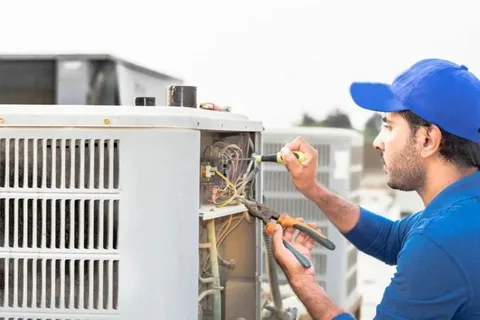
Indoor air quality is becoming increasingly important for homeowners throughout Michigan. If you notice more dust collecting on surfaces, worsening allergy symptoms, or persistent indoor odors, your HVAC system may not be filtering and circulating air effectively.
Poor Indoor Air Quality can result from dirty filters, neglected maintenance, contaminated ductwork, inadequate ventilation, or aging equipment. These issues affect not only comfort but also the overall health of the indoor environment.
Modern solutions such as advanced filtration systems, air purification technology, whole-home ventilation systems, and humidity control products can significantly improve indoor air quality while reducing airborne contaminants.
Unpleasant Odors Coming from Vents
Strange smells are another sign that professional HVAC service may be needed. Different odors can indicate different problems.
A musty smell may suggest moisture buildup or microbial growth. A burning odor could indicate overheating electrical components. Chemical-like smells may point to refrigerant-related concerns. Any persistent odor that does not disappear after changing the air filter should be inspected by a qualified technician.
Addressing odor issues quickly helps prevent additional system damage and contributes to a healthier indoor environment.
Water Leaks Around the Equipment
Water around HVAC equipment should never be ignored. Although some moisture is normal during operation, visible puddles or leaks often indicate a problem.
Common causes include clogged condensate drains, damaged drain pans, frozen coils, or refrigerant-related issues. Water damage can affect flooring, walls, insulation, and nearby building materials if left unresolved. Prompt repairs help prevent secondary property damage while restoring normal system operation.
Your Water Heater Is Showing Signs of Trouble
Many homeowners focus solely on heating and cooling equipment while overlooking the importance of their water heater. However, warning signs often appear before complete failure occurs.
Indicators that you may need Water Heater Repair include inconsistent hot water, unusual tank noises, rust-colored water, reduced hot water supply, or visible leaks around the unit.
When repairs become frequent or the unit approaches the end of its expected lifespan, Water Heater Replacement may provide a more cost-effective long-term solution. Professional Water Heater Installation ensures proper performance, efficiency, and reliability.
Older Equipment Requires More Frequent Repairs
Age is another important factor when evaluating HVAC performance. Most systems can provide reliable service for many years when properly maintained. However, as equipment ages, repairs often become more frequent and efficiency typically declines.
If your system requires multiple repairs each year, professional HVAC Consulting Services can help determine whether continued repairs or equipment replacement is the better investment.
Newer systems offer improved efficiency, better comfort control, enhanced filtration, and lower operating costs compared to many older models.
The Importance of Professional HVAC Installation
Not all HVAC problems are caused by age or wear. Improper HVAC Installation can create ongoing performance issues from the beginning.
Incorrect equipment sizing, poor airflow design, inadequate ductwork, and installation mistakes can all contribute to comfort problems and increased energy consumption. Working with experienced professionals ensures that the system is designed and installed correctly for long-term performance.
Planning Ahead for New Construction Projects
For homeowners building a new home in Michigan, proper HVAC planning plays a major role in future comfort and efficiency. Professional New Construction HVAC services focus on designing systems that meet the specific needs of the property.
Through a comprehensive Design Build Service, contractors can evaluate floor plans, airflow requirements, insulation levels, and energy-efficiency goals before installation begins. This proactive approach helps prevent many common HVAC issues later.
Preventive Maintenance Helps Reduce Future Repairs
One of the most effective ways to avoid major HVAC problems is through routine maintenance. Regular inspections allow technicians to identify minor concerns before they develop into expensive repairs.
Maintenance services often include cleaning components, checking electrical connections, testing system performance, inspecting refrigerant levels, replacing filters, and evaluating airflow. These proactive steps help improve efficiency, reduce breakdown risks, and extend equipment lifespan.
Homeowners who invest in preventive maintenance typically experience fewer unexpected repairs and more consistent comfort throughout the year.
Conclusion
Most HVAC systems provide warning signs before a major breakdown occurs. Rising energy bills, weak airflow, unusual sounds, uneven temperatures, humidity problems, poor indoor air quality, and water leaks should never be ignored. These symptoms often indicate developing issues that can become more serious over time.
For homeowners throughout Lansing, East Lansing, Holt, Haslett, DeWitt, Okemos, and surrounding MI communities, recognizing these warning signs early can help reduce repair costs and improve overall system performance. Whether you need HVAC Repair, HVAC Installation, Indoor Air Quality solutions, Water Heater Repair, Water Heater Installation, Water Heater Replacement, HVAC Consulting Services, New Construction planning, or a complete Design Build Service, taking action early is the best way to maintain reliable comfort and efficiency year-round.
Frequently Asked Questions
1. What are the most common HVAC warning signs that homeowners should watch for?
Some of the most common HVAC warning signs include higher energy bills, uneven room temperatures, unusual noises, weak airflow, short cycling, poor indoor air quality, unpleasant odors, and water leaks. Addressing these issues early can prevent larger repairs.
2. Why does my HVAC system run continuously without reaching the desired temperature?
This may be caused by dirty filters, refrigerant issues, airflow restrictions, thermostat problems, duct leaks, or aging equipment. A professional HVAC inspection can identify the exact cause and recommend the appropriate solution.
3. How often should HVAC maintenance be performed?
Most HVAC professionals recommend maintenance at least twice per year once before the cooling season and once before the heating season. Routine maintenance helps improve efficiency, reduce repair costs, and extend equipment life.
4. How can I improve indoor air quality in my home?
Improving Indoor Air Quality often involves replacing filters regularly, cleaning ductwork, controlling humidity levels, improving ventilation, and installing air purification systems. Professional assessments can help determine the best solution for your home.
5. When should I replace my water heater instead of repairing it?
If your water heater frequently breaks down, leaks, produces rusty water, or is approaching the end of its lifespan, a Water Heater Replacement may be more cost-effective than continued repairs. A professional technician can evaluate the unit and recommend the best option.