
Many homeowners spend time upgrading kitchens, replacing flooring, repainting walls, or improving curb appeal, but one of the most important parts of a comfortable home is something you cannot see: the air you breathe. If your home feels dusty shortly after cleaning, family members frequently deal with allergy symptoms, or certain rooms seem stuffy no matter the season, your indoor air may need attention.
The good news is that you do not always need major renovations to improve indoor air quality. In many cases, small changes in daily habits, maintenance routines, and home systems can make a noticeable difference. Whether you live in a newly built home or an older property, cleaner air starts with understanding how pollutants enter your living space and what you can do to reduce them naturally.
The Air Inside Your Home May Be Telling You Something
A homeowner may notice that dust returns to furniture only a day after cleaning. Another family may experience constant sneezing during the night despite keeping windows closed. In many situations, these are not random problems. They can be signs that indoor pollutants are circulating throughout the home.
Unlike outdoor pollution, indoor contaminants often become trapped inside. Dust, pet dander, cooking particles, pollen, cleaning product residue, and moisture can build up over time. Because modern homes are designed for energy efficiency, they often hold air inside more effectively than older homes. While that helps reduce energy costs, it can also allow pollutants to remain indoors longer.
Learning how to improve indoor air quality begins with recognizing these warning signs before they become larger comfort or health concerns.
Hidden Pollution Sources Most Homeowners Never Think About
When people hear the word pollution, they often imagine busy roads or industrial facilities. However, many pollutants originate inside the home itself. Consider a typical day. Breakfast is cooked in the kitchen, cleaning products are used in the bathroom, pets move throughout the house, and family members enter from outside carrying pollen and dust on shoes and clothing. Over time, these activities introduce contaminants into indoor spaces.
Furniture, carpets, paint, and household products can also contribute to indoor air concerns. Even homes that appear clean may have pollutants circulating through vents and ductwork.
For homeowners planning New Construction projects, considering air quality early in the design process can help prevent future issues. Proper airflow planning, ventilation placement, and filtration strategies can support healthier indoor environments from the start.
Why Fresh Air Still Matters in Modern Homes
Years ago, homes naturally exchanged indoor and outdoor air through small gaps and openings. Today’s homes are built much tighter to improve energy efficiency. While this helps reduce heating and cooling costs, it also means stale air may remain trapped inside longer. A family might spend an entire day indoors with windows closed, allowing pollutants to accumulate without realizing it.
One of the simplest ways to improve indoor air quality is by increasing fresh air circulation whenever weather conditions allow. Opening windows on opposite sides of the house creates natural airflow that helps move stale air outside while bringing cleaner air indoors.
This approach supports better indoor ventilation and often provides immediate benefits, especially during mild weather. Even a short period of fresh airflow can make indoor spaces feel more comfortable and refreshed.
Small Moisture Problems Can Create Bigger Air Quality Issues
Many indoor air problems begin with moisture. Imagine a homeowner notices a small leak near a utility room but delays repairs because it seems minor. Weeks later, excess moisture begins affecting nearby materials. Over time, mold and mildew may develop in hidden areas.
Moisture is one of the biggest contributors to poor indoor air quality because it creates conditions where biological contaminants thrive. This is why issues involving plumbing systems should never be ignored. Services such as Water Heater Repair often help address problems before excess moisture affects other parts of the home. Likewise, older units may eventually require Water Heater Replacement to prevent recurring leaks and inefficiencies.
Maintaining balanced humidity levels is one of the most effective indoor air pollution solutions available. Homes that remain too humid can become breeding grounds for mold, while overly dry environments may contribute to irritation and discomfort.
The Everyday Battle Against Dust and Allergens
Many homeowners feel frustrated when they clean on Saturday only to find dust returning by Monday. The reality is that dust is constantly entering and circulating throughout a home.
Pet dander, pollen, fabric fibers, and tiny particles from daily activities settle on surfaces and become airborne again whenever people walk through rooms or furniture is used. If your goal is to reduce indoor allergens, consistency matters more than occasional deep cleaning.
Simple routines can make a significant difference:
- Vacuum high-traffic areas regularly.
- Wash bedding frequently.
- Clean air vents and registers.
- Groom pets consistently.
- Keep clutter under control.
These habits help reduce the amount of airborne material circulating throughout the home.
Families with allergy sufferers often notice that improving these routines creates a more comfortable indoor environment throughout the year.
How Your HVAC System Influences Every Breath You Take
Many homeowners think of their heating and cooling system only when temperatures become uncomfortable. In reality, the HVAC system influences indoor air quality every day.
Every time air circulates through your home, it passes through filters, ductwork, and equipment components. If filters are clogged or maintenance has been neglected, airborne contaminants can continue circulating throughout the house.
Routine HVAC Repair and preventative maintenance help keep systems operating efficiently while supporting cleaner indoor air.
Homeowners planning a new HVAC Installation often focus on energy efficiency ratings, but air quality features deserve equal consideration. Modern systems frequently offer improved filtration options that help capture airborne particles before they spread throughout living spaces.
A well-maintained HVAC system does far more than control temperature. It plays a major role in helping homeowners improve indoor air quality throughout every season.
When a Whole Home Air Purifier Becomes a Valuable Upgrade
A family with multiple pets may struggle with airborne hair and dander despite regular cleaning. Another homeowner may notice seasonal allergies becoming worse indoors rather than outdoors.
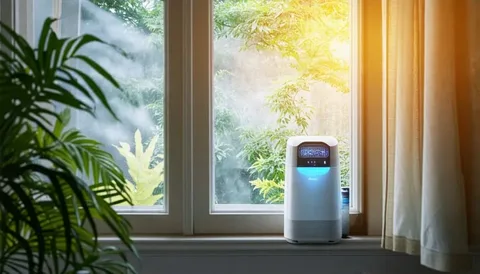
In situations like these, a whole home air purifier can provide additional support.
Unlike portable units designed for a single room, a whole home air purifier works alongside the HVAC system to treat air throughout the entire house. As air circulates, contaminants are captured before they can repeatedly move through living spaces.
Many homeowners choose this option after trying basic cleaning and filtration improvements. While not every home requires advanced purification equipment, it can be a valuable addition for households dealing with ongoing air quality concerns.
Better Indoor Ventilation Is About More Than Opening Windows
Ventilation is often misunderstood.
Many people assume ventilation simply means opening a window occasionally. In reality, better indoor ventilation involves creating consistent airflow throughout the home.
Bathrooms, kitchens, laundry rooms, and utility areas all generate moisture and airborne particles. Without adequate ventilation, these pollutants remain indoors.
Running exhaust fans during showers, cooking meals, or using household appliances helps remove contaminants before they spread to other rooms.
Homeowners investing in Design Build Service projects often incorporate ventilation improvements during remodeling because it is easier to address airflow challenges while upgrades are already underway.
Indoor Air Quality Should Be Part of Every Renovation Plan
When homeowners renovate, they often focus on appearance and functionality. Air quality is frequently overlooked.
Whether adding living space, remodeling rooms, or upgrading mechanical systems, renovation projects present an opportunity to create healthier indoor environments.
Professional HVAC Consulting Services can help identify airflow challenges, filtration opportunities, and ventilation improvements before construction begins.
Instead of treating air quality as an afterthought, many successful projects now include dedicated Indoor Air Quality considerations during planning stages.
This approach helps homeowners enjoy the benefits of their renovation while also creating a healthier living environment.
The Daily Habits That Make the Biggest Difference
Homeowners often search for a single solution that will solve every air quality problem. In reality, cleaner air usually comes from a combination of smaller actions performed consistently.
Removing shoes at the door, changing HVAC filters on schedule, keeping humidity under control, opening windows when conditions allow, and maintaining household systems all contribute to healthier indoor air.
These habits may seem simple, but together they create meaningful improvements over time.
The most effective indoor air pollution solutions are often the ones homeowners can maintain consistently rather than occasional large-scale interventions.
Building a Long-Term Strategy for Cleaner Indoor Air
Improving air quality is not a one-time project. Homes constantly change as seasons shift, family needs evolve, and equipment ages.
A proactive approach includes regular HVAC maintenance, monitoring moisture levels, updating filtration systems when necessary, and evaluating opportunities for airflow improvements.
Whether through routine HVAC Repair, installing a whole home air purifier, upgrading HVAC air quality systems, or seeking guidance from HVAC Consulting Services, each step contributes to a healthier indoor environment.
Homeowners who take a long-term approach often discover that cleaner air improves not only comfort but also overall quality of life.
A Healthier Home Starts With the Air You Breathe
Many home improvement projects focus on what people can see. Cleaner indoor air is different. The benefits may not be visible immediately, but they are felt every day.
By focusing on better indoor ventilation, reducing pollution sources, maintaining HVAC equipment, controlling moisture, and exploring solutions such as HVAC air quality systems, homeowners can create healthier and more comfortable living spaces.
The effort required is often smaller than people expect. A few consistent habits, combined with proper maintenance and smart upgrades, can significantly improve indoor air quality and help families enjoy cleaner, fresher air throughout the year.
FAQs
How can I improve indoor air quality without buying expensive equipment?
Start by increasing ventilation, cleaning regularly, controlling humidity, replacing HVAC filters, and reducing sources of indoor pollution. These simple steps often create noticeable improvements.
What is the most common cause of poor indoor air quality?
Dust accumulation, inadequate ventilation, excess moisture, dirty HVAC filters, and household pollutants are among the most common contributors to poor indoor air quality.
Is a whole home air purifier worth it for allergy sufferers?
A whole home air purifier can help capture airborne allergens throughout the house and may provide additional support for households dealing with allergies or pet dander.
How do HVAC air quality systems help create cleaner air?
HVAC air quality systems improve filtration, support airflow management, and help reduce airborne contaminants circulating through the home.
What are the best ways to reduce indoor allergens naturally?
To reduce indoor allergens, vacuum frequently, wash bedding regularly, groom pets, maintain HVAC filters, and improve ventilation throughout the home.