
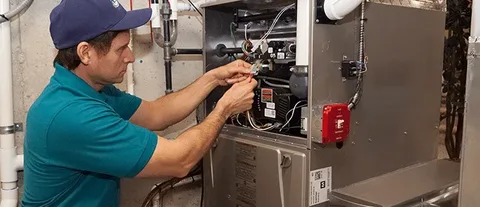
Understanding the Difference Between Furnace Repair and Replacement
When a furnace starts showing signs of trouble, many homeowners face the same question should they repair the system or invest in a replacement? The answer depends on several factors, including the furnace’s age, efficiency, repair history, operating costs, and overall condition. Understanding the differences between repair and replacement can help homeowners make a cost-effective decision that improves comfort and energy efficiency.
For homeowners seeking professional guidance, Ecofficient Heating and Cooling helps evaluate heating systems and recommend practical solutions based on performance, safety, and long-term value. Whether the issue requires a simple repair or a complete system upgrade, making an informed choice can prevent unnecessary expenses and improve home comfort for years to come.
Deciding between furnace repair vs replacement is not always a simple choice, as several factors can influence the best course of action. In some situations, a repair may restore reliable performance at a reasonable cost. In others, replacing an aging system may provide better long-term savings and fewer future problems. By understanding the warning signs and evaluating the true cost of ownership, homeowners can determine which option makes the most sense.
Why Furnaces Eventually Need Attention
A home’s furnace operates extensively throughout the colder months, making it one of the most heavily used mechanical systems in the property. During colder months, it operates daily to maintain comfortable indoor temperatures. Over time, components wear out, efficiency decreases, and performance can decline. Like any mechanical system, a furnace experiences normal aging. Motors, heat exchangers, burners, ignition systems, sensors, and electrical components can deteriorate after years of use. Regular HVAC Repair and maintenance can extend equipment life, but no furnace lasts forever. When performance issues develop, homeowners often face a decision between investing in repairs or purchasing a newer, more efficient unit.
How Old Furnace Before Replace?
A question many homeowners frequently have is how old furnace before replace and when upgrading becomes a more practical option than continued repairs.While there is no universal replacement age, many furnaces begin showing significant wear after 15 to 20 years of operation. A well-maintained system may continue operating beyond this range, but age alone increases the likelihood of breakdowns, reduced efficiency, and costly repairs. As equipment ages, replacement parts may also become more difficult to obtain.
If a furnace is approaching two decades of service and experiencing frequent issues, replacement often becomes a more practical long-term investment. Even so, the age of the system should not be the sole factor used when making a replacement decision. Overall condition, efficiency ratings, safety concerns, and repair costs should also be considered.
Signs a Furnace Repair May Be the Better Option
Not every furnace problem requires replacement. In many situations, a properly completed repair can improve system performance and help the furnace continue operating efficiently for additional years.
Minor issues such as faulty thermostats, clogged filters, malfunctioning ignitors, worn belts, sensor problems, or electrical issues can often be repaired at a reasonable cost. If the furnace is relatively new and has a history of reliable operation, repairing the system may provide the best value.
A repair may also be appropriate when:
The furnace is under 10 years old.
Repair costs are relatively low.
Energy bills have remained stable.
The system has not required frequent service.
Major components remain in good condition.
Professional HVAC Repair services can identify whether a repair is likely to provide dependable performance or whether larger issues are developing within the system.
Signs Furnace Replacement May Be the Smarter Choice
While repairs can solve many problems, there comes a point when replacement becomes the more economical option. Repeated system failures can be a sign that several key parts are wearing out and nearing the end of their expected lifespan. Investing in repeated repairs can become expensive while still leaving homeowners with an aging system that may fail again.
Replacement may be worth considering when:
The furnace is over 15–20 years old.
Repair costs continue increasing.
Utility bills are rising significantly.
Indoor comfort is inconsistent.
Certain rooms remain difficult to heat.
Replacement parts are difficult to find.
Safety concerns have developed.
In these situations, modern HVAC Installation can provide improved efficiency, reliability, and performance compared to continuing repairs on an outdated system.
Comparing Long-Term Costs
A common mistake homeowners make is considering only the upfront expense of a repair when evaluating their options. However, the long-term financial picture is often more important.
For example, a repair costing a few hundred dollars may appear less expensive than replacing a furnace. However, if the system requires additional repairs over the next several years while continuing to operate inefficiently, the total cost may exceed the value of replacement.
New heating systems often consume less energy while delivering better performance. Reduced utility bills, fewer repairs, and improved reliability can offset a significant portion of the replacement investment over time. When evaluating furnace repair vs replacement, homeowners should consider both immediate costs and future operating expenses.
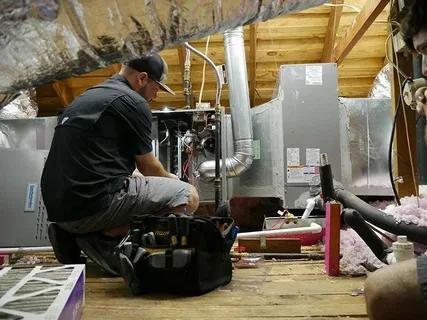
Energy Efficiency and Modern Heating Technology
One of the strongest arguments for replacement is improved energy efficiency. Compared to today’s advanced heating equipment, older furnaces typically consume more energy to produce the same level of warmth.
New units are designed to maximize heat output while minimizing energy consumption.
Higher-efficiency systems can:
Reduce monthly heating costs.
Improve temperature consistency.
Increase overall comfort.
Reduce environmental impact.
Improve system reliability.
Many homeowners notice substantial improvements after replacing an older furnace with a modern unit installed by qualified HVAC Installation professionals.
Indoor Comfort and Air Quality Benefits
Heating systems affect more than temperature alone. They also influence airflow, humidity levels, and indoor air quality. A newer furnace may work more effectively with modern Indoor Air Quality solutions, including air filtration systems, humidity control equipment, and ventilation improvements.
Poor-performing furnaces can contribute to uneven heating, excessive dust circulation, and inconsistent airflow. Upgrading an aging system may improve comfort throughout the entire home while supporting healthier indoor conditions.
Safety Considerations Homeowners Should Not Ignore
Safety is another important factor when deciding between repair and replacement. As furnaces age, certain components can become less reliable. Cracked heat exchangers, combustion problems, gas leaks, or ventilation issues may present serious risks if left unresolved.
When safety concerns arise, replacement is often the most responsible solution. A qualified technician can inspect the system and determine whether repairs can safely address the issue or if replacement is necessary. Protecting your family should always take priority over extending the life of outdated equipment.
When New Construction Projects Require Furnace Planning
Homeowners building a new property face a different situation entirely. During New Construction projects, selecting the right heating system from the beginning is critical. Proper equipment sizing, ductwork design, airflow planning, and energy-efficiency considerations all influence long-term performance.
This is where professional Design Build Service and HVAC Consulting Services can help ensure the heating system is properly designed for the home’s layout and heating requirements. A well-designed system delivers better comfort, efficiency, and reliability throughout the life of the property.
Considering the Entire Home Comfort System
Heating equipment should not be evaluated in isolation. Many homeowners who replace an aging furnace also review other important home systems, including air conditioning equipment, water heaters, and ventilation systems. Coordinating upgrades can improve overall efficiency and comfort.
For example, homeowners may choose to combine furnace upgrades with:
Water Heater Installation
Water Heater Repair
Water Heater Replacement
Air quality improvements
Ventilation enhancements
Energy-efficiency upgrades
Evaluating the entire mechanical system can help homeowners create a more reliable and energy-efficient home environment.
The Importance of Professional HVAC Evaluation
Every home and heating system is different. What makes sense for one property may not be the best solution for another.
A professional evaluation considers:
Furnace age
Repair history
Energy consumption
Equipment efficiency
Safety concerns
Expected remaining lifespan
Overall replacement costs
Experienced technicians can provide objective recommendations based on actual system condition rather than assumptions.
This personalized approach helps homeowners make confident decisions regarding furnace repair vs replacement.
How to Make the Right Decision
The best decision usually comes down to balancing cost, reliability, efficiency, and long-term value. If the furnace is relatively new and experiencing an isolated issue, repair may be the logical choice. However, if the system is aging, inefficient, and requiring repeated service, replacement may provide greater savings and reliability over time.
Homeowners should avoid making decisions based solely on immediate repair costs. Looking at long-term operating expenses, energy consumption, comfort improvements, and future maintenance requirements often provides a clearer picture.
Final Thoughts
Choosing between furnace repair vs replacement is an important decision that affects comfort, energy efficiency, and household expenses. While repairs can often restore performance in newer systems, older furnaces may eventually reach a point where replacement offers greater value.
Homeowners asking how old furnace before replace should consider more than age alone. Repair frequency, efficiency, operating costs, reliability, and safety all play important roles in determining the right solution.
By working with experienced professionals such as Ecofficient Heating and Cooling, homeowners can evaluate their options carefully and choose a heating solution that delivers dependable comfort, improved efficiency, and long-term peace of mind.
Frequently Asked Questions
- How old furnace before replace?
Most furnaces begin reaching the end of their expected lifespan between 15 and 20 years. If an older system requires frequent repairs or operates inefficiently, replacement may be more cost-effective.
- How do I know if furnace repair is worth it?
Repairs are often worthwhile when the furnace is relatively new, repair costs are reasonable, and the system has not experienced recurring problems.
- What is the biggest advantage of replacing an old furnace?
A new furnace can improve energy efficiency, lower utility costs, increase reliability, enhance indoor comfort, and reduce the likelihood of unexpected breakdowns.
- Can a new furnace improve indoor air quality?
Yes. Modern heating systems often work more effectively with Indoor Air Quality solutions such as advanced filtration systems, humidity control equipment, and improved ventilation.
- Should I replace my furnace if repair costs are high?
If repair expenses are significant and the furnace is nearing the end of its lifespan, replacement may provide better long-term value than continuing to invest in an aging system.