

Indoor air quality plays an important role in creating a healthy, comfortable, and safe living environment. Since most people spend a significant amount of time inside their homes, the quality of the air they breathe can directly affect their daily comfort. However, many homeowners do not realize that indoor air can contain dust, allergens, mold spores, chemicals, and other airborne pollutants that may reduce air quality.
Understanding the symptoms of poor indoor air quality can help homeowners identify hidden problems before they become major concerns. Issues such as poor ventilation, excessive humidity, dirty HVAC filters, and indoor pollutants are common causes of poor air quality in homes.
If you notice frequent allergies, unpleasant odors, excessive dust, mold growth, or rooms that feel stuffy, these may be signs that your home has indoor air quality problems. Identifying these warning signs early allows you to take the right steps to improve ventilation, filtration, and overall indoor comfort.
What Causes Poor Indoor Air Quality?
Poor indoor air quality can develop due to several factors inside and around your home. Unlike outdoor pollution, indoor pollutants can become trapped inside when ventilation is limited.
Some common causes of poor indoor air quality include:
Poor Ventilation
Modern homes are often built with improved insulation and airtight construction to increase energy efficiency. However, reduced airflow can prevent fresh air from entering and allow pollutants, odors, and moisture to build up indoors.
Dirty HVAC Filters
Your HVAC system helps circulate air throughout your home. When air filters become clogged with dust and debris, they may not effectively capture airborne particles. Dirty filters can allow allergens and pollutants to continue circulating through your living spaces.
Excess Moisture and High Humidity
High humidity creates a favorable environment for mold and mildew growth. Bathrooms, basements, kitchens, and areas with poor airflow are common locations where moisture problems develop.
Household Chemicals and VOCs
Cleaning products, paints, furniture materials, and other household items can release volatile organic compounds (VOCs) into the air. Without proper ventilation, these pollutants can remain indoors for longer periods.
Dust, Pet Dander, and Allergens
Dust mites, pet dander, pollen, and other allergens can accumulate inside homes and contribute to poor indoor air quality, especially when filtration systems are not maintained properly.
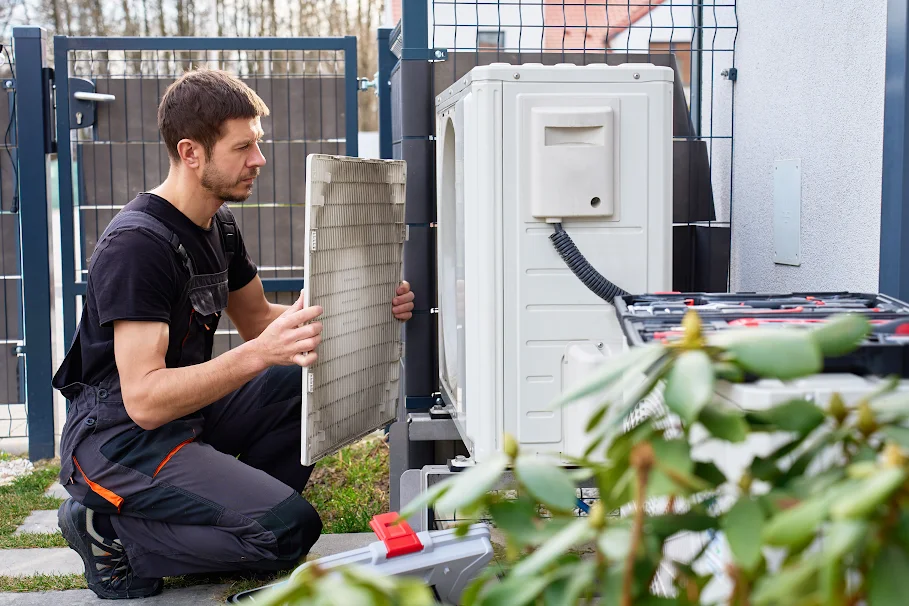
10 Common Symptoms of Poor Indoor Air Quality in Your Home
Recognizing the warning signs of poor indoor air quality can help you address problems before they affect your home’s comfort. Below are some of the most common symptoms homeowners should watch for, and Ecofficient Heating & Cooling can help identify and improve indoor air quality issues with professional HVAC solutions.
1. Frequent Sneezing, Allergies, and Breathing Discomfort
One of the most noticeable symptoms of poor indoor air quality is an increase in allergy-related problems. If you experience frequent sneezing, coughing, itchy eyes, congestion, or throat irritation while spending time at home, airborne pollutants may be affecting your indoor environment.
Common indoor triggers include:
- Dust mites
- Pet dander
- Pollen
- Mold spores
- Airborne particles
If symptoms improve when you leave your home and return after coming back, your indoor air quality may need attention. Proper air filtration, HVAC maintenance, and professional indoor air quality solutions can help reduce these airborne contaminants.
2. Excessive Dust Buildup Around Your Home
Constant dust accumulation is another common sign of poor air quality in your home. If furniture, shelves, vents, and surfaces become dusty shortly after cleaning, your HVAC filtration system may not be working effectively.
Excess dust can occur because of:
- Old or dirty air filters
- Poor ventilation
- Air leaks
- Excess airborne particles
Replacing filters regularly and improving your home’s air filtration can help reduce dust levels and create cleaner indoor air.
3. Stale or Stuffy Air Inside Rooms
A home with poor ventilation often feels uncomfortable because fresh air is not circulating properly. Rooms may feel heavy, closed, or difficult to breathe in, especially bedrooms, basements, and areas with limited airflow.
Stale air usually indicates that pollutants and carbon dioxide are building up indoors. Improving ventilation allows fresh air to enter while helping remove unwanted contaminants.
4. Persistent Unpleasant Odors
Lingering odors are another warning sign of indoor air pollution. If smells from cooking, pets, cleaning products, smoke, or moisture remain inside your home for a long time, your ventilation system may not be removing them properly.
Common causes of persistent indoor odors include:
- Poor airflow
- Moisture problems
- Mold growth
- Trapped pollutants
Air purification systems and improved ventilation can help remove unwanted odors and improve indoor freshness.
5. Mold Growth or Musty Smells
Mold is one of the strongest indicators of moisture-related indoor air problems. Excess humidity and poor ventilation can create ideal conditions for mold growth in areas such as:
- Basements
- Bathrooms
- Crawl spaces
- Around windows
A musty smell, visible mold spots, or recurring moisture issues may indicate that your home has poor indoor air quality.
Controlling humidity levels and improving ventilation are important steps to prevent mold-related air quality problems.
6. High Indoor Humidity or Extremely Dry Air
Balanced humidity is essential for maintaining comfortable indoor air. Excess moisture can encourage mold growth, while very dry air can cause discomfort such as dry skin, irritated airways, and static electricity.
Signs of humidity problems include:
- Condensation on windows
- Damp areas
- Musty smells
- Dry throat or skin
Humidity control solutions, including humidifiers and dehumidifiers, can help maintain better indoor air conditions.
7. Poor Airflow and Ventilation Issues
Poor airflow is a common sign of indoor air quality problems. If certain rooms feel uncomfortable even when your HVAC system is running, your home may have ventilation or air distribution issues.
Common airflow problems include:
- Weak airflow from vents
- Uneven room temperatures
- Stuffy rooms
- Poor fresh air exchange
Whole-home ventilation solutions can improve air circulation and help maintain a healthier indoor environment.
8. Increased Condensation on Windows
Frequent condensation on windows can indicate excessive moisture and poor ventilation. When warm, humid indoor air contacts cold surfaces, water droplets can form on windows and walls.
Over time, excessive condensation may contribute to:
- Mold growth
- Water damage
- Moisture problems
Improving ventilation and controlling indoor humidity can help reduce condensation issues.
9. Unusual Fatigue or Discomfort While at Home
Some homeowners notice that they feel uncomfortable, tired, or less refreshed when spending long periods indoors. Poor ventilation, trapped pollutants, and airborne contaminants may contribute to an unhealthy indoor environment.
If discomfort consistently occurs inside your home, an indoor air quality evaluation can help identify possible causes.
10. Increased Need for Air Purification
If regular cleaning and HVAC maintenance do not solve your indoor air problems, your home may benefit from additional air purification solutions.
Modern air cleaners and filtration systems can help reduce:
- Dust particles
- Allergens
- Smoke particles
- Pet dander
- Other airborne contaminants
The right purification system depends on your home’s size, HVAC system, and specific air quality concerns.
How Does Poor Indoor Air Quality Affect Your Home?
Poor indoor air quality can impact both comfort and the condition of your home. When pollutants, moisture, and allergens remain trapped indoors, they can create an unpleasant living environment.
Common indoor air quality problems may include:
- Increased dust accumulation
- Mold and mildew growth
- Unpleasant odors
- Reduced indoor comfort
- Poor airflow
- Higher moisture levels
Maintaining clean indoor air helps protect your home and creates a more comfortable environment for everyone.
How Can You Improve Indoor Air Quality?
Improving indoor air quality requires identifying the causes and choosing solutions that match your home’s needs.
Effective ways to improve indoor air quality include:
Replace HVAC Filters Regularly
Clean filters help capture dust, allergens, and airborne particles before they circulate throughout your home.
Improve Home Ventilation
Proper ventilation removes stale air and allows fresh air to enter your living spaces.
Control Indoor Humidity
Maintaining balanced humidity levels helps prevent mold growth and moisture-related problems.
Use Air Purification Systems
Air cleaners and advanced filtration systems can reduce airborne pollutants and improve overall air quality.
Schedule Professional Indoor Air Quality Testing
A professional evaluation can identify hidden problems and recommend suitable solutions for your home.
Signs of Poor Ventilation in a House
Poor ventilation is one of the leading causes of indoor air quality problems. Homeowners should look for these common signs:
- Stale or stuffy air
- Lingering odors
- Excess humidity
- Mold growth
- Window condensation
- Increased dust buildup
- Uneven temperatures
- Weak airflow
Addressing ventilation problems can significantly improve indoor comfort and create healthier air circulation.
Final Thoughts
Recognizing the symptoms of poor indoor air quality is the first step toward creating a cleaner and healthier home environment. Problems such as allergies, dust buildup, unpleasant odors, mold growth, humidity imbalance, and poor ventilation should not be ignored.
Understanding what causes poor indoor air quality and identifying common warning signs allows homeowners to take effective action. Solutions such as improved ventilation, HVAC maintenance, air filtration, humidity control, and air purification systems can help reduce indoor pollutants and improve overall comfort.
A professional indoor air quality assessment can help determine the best solutions based on your home’s specific needs. Cleaner indoor air not only improves comfort but also helps create a healthier living space for your family.
Frequently Asked Questions
What are the symptoms of poor indoor air quality?
Common symptoms of poor indoor air quality include frequent allergies, sneezing, coughing, excessive dust, unpleasant odors, mold growth, humidity problems, and poor airflow inside your home.
What causes poor indoor air quality?
Poor indoor air quality is commonly caused by poor ventilation, dirty HVAC filters, excess moisture, mold growth, household chemicals, dust, pet dander, and airborne pollutants.
How do I know if my home has poor air quality?
Signs of poor air quality include stale air, musty odors, visible mold, increased dust, condensation on windows, humidity problems, and rooms that feel uncomfortable.
Can poor indoor air quality affect allergies?
Yes. Indoor pollutants such as dust, pet dander, pollen, and mold spores can trigger allergy symptoms and respiratory discomfort in sensitive individuals.
How can I improve indoor air quality naturally?
You can improve indoor air quality by increasing ventilation, cleaning regularly, replacing HVAC filters, controlling humidity, reducing pollutants, and allowing fresh air circulation.